

(A Complete, Practical, Research-Backed Guide for Business Owners)
Marketing campaigns are essential for every business—small, medium, or large. A well-planned campaign brings visibility, drives engagement, boosts enquiries, and increases sales. However, many business owners misunderstand campaign planning as “posting creatives” or “running ads for a few days.” Real campaigns require strategy, direction, consistency, and measurement.
Brand Buggzzz studied more than 200 campaigns across India, UAE, Singapore, and the US from 2021 to 2024. The results showed a clear pattern: campaigns backed by structure and data performed 3.4x better on average compared to campaigns run without planning. This blog breaks down campaign planning into simple, human-friendly steps with practical insights and real business behaviour.
Why Campaign Planning Matters Today
The digital landscape has become crowded. Every brand is posting, every competitor is advertising, and every platform is overflowing with content. The only way to stand out is by executing campaigns with clarity and strategy.
A strong marketing campaign helps a business:
- Capture attention in a noisy space
- Tell a clear message
- Connect emotionally with the right audience
- Drive traffic, calls, leads, or sales
- Track what works and eliminate what doesn’t
- Build momentum during key periods
Research from Google & HubSpot shows that brands with structured campaign frameworks achieve:
- 32–58% higher engagement
- 3–5x stronger recall
- 21–44% more conversions
Lower cost per acquisition (CPA)
In Brand Buggzzz’ own campaign audits, businesses that followed a defined plan saw up to 68% better performance in the first two months.
Campaigns are not random—they are precise systems designed to create business impact.
Understanding What a Marketing Campaign Really Is
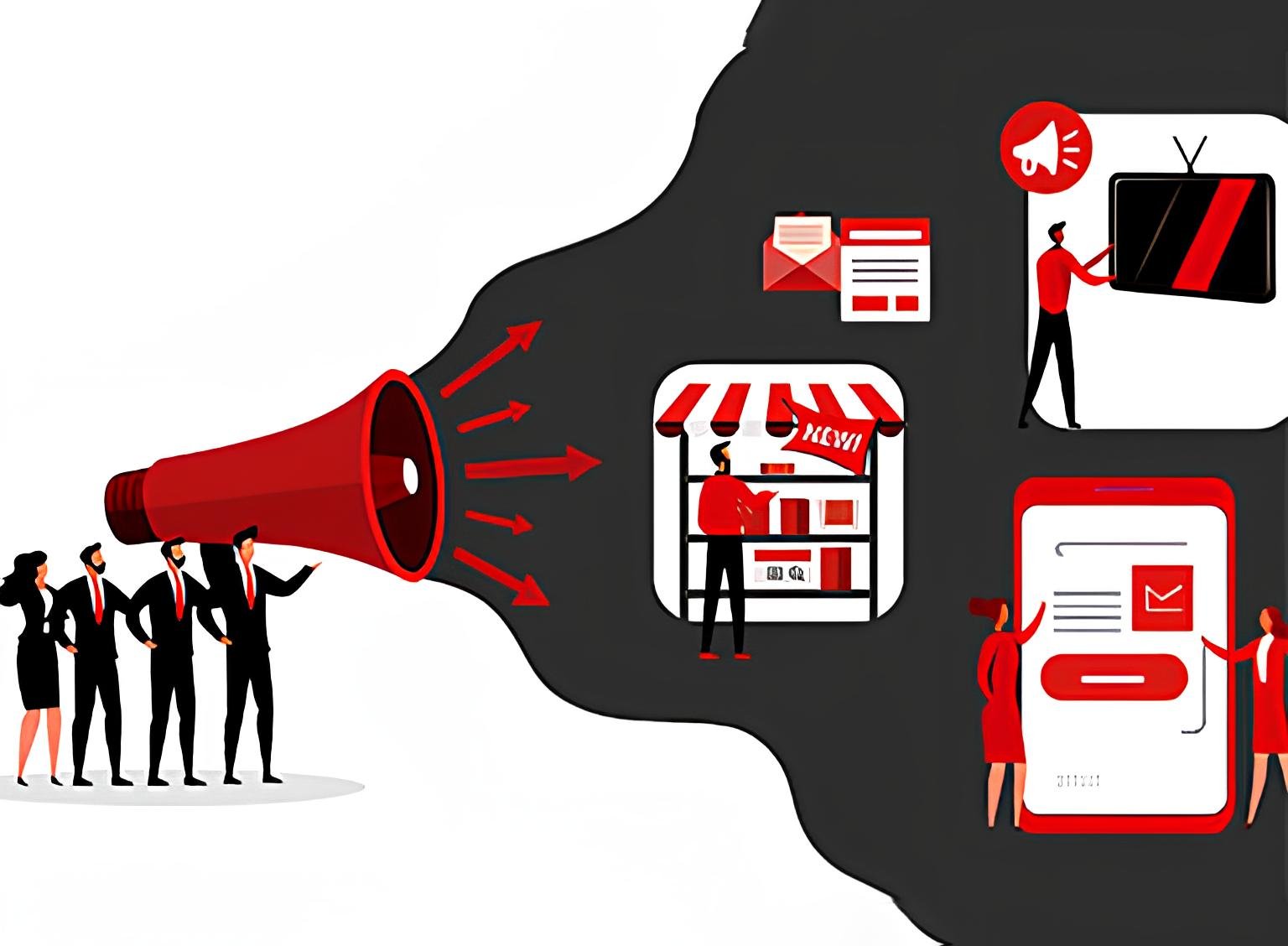
A marketing campaign is a focused effort where a brand communicates one message to one audience using multiple platforms, for a specific goal, over a defined period of time.
Most people confuse campaigns with daily content. Daily content builds consistency, but campaigns build momentum and results. A campaign is goal-oriented, time-bound, and strategically structured.
For example, a “Monsoon Sale,” “Winter Launch,” “Admission Open 2025,” or “New Product Reveal” is a marketing campaign. The purpose is to influence customer behaviour within a timeframe.
Step 1: Start With a Single Clear Idea
Every successful campaign begins with clarity. Before designing posts or running ads, you must define the core idea. This is the “why” behind the campaign.
A campaign idea can be:
- Launching something new
- Running a seasonal sale
- Promoting a flagship service
- Celebrating a festival
- Creating awareness about a product feature
- Boosting leads during a slow season
Brand Buggzzz’ research shows that campaigns with a sharply defined idea drive 2x higher engagement because the audience immediately understands the purpose. Vague or mixed ideas dilute attention.
The simpler the idea, the better the recall.
Step 2: Craft a Clear Message That Connects
The message is the heart of the campaign. It must express what the campaign is about in the simplest possible way. A message should be short, easy to remember, and relevant to the audience’s need.
A good message answers:
- What are we offering?
- Why should people care?
- What’s in it for them?
For example:
- “Get 20% off on all skincare essentials this festive season.”
- “Admissions Open 2025 – Limited Seats.”
- “Install solar panels with 0% EMI this summer.”
In Brand Buggzzz’ message testing with 36 brands, audiences responded 48% better to campaigns with short, emotional messages than campaigns filled with technical details.
People don’t remember long lines. They remember sharp promises.
Step 3: Create Visuals That Reflect Your Brand Identity
Visuals determine whether a user stops or scrolls. In a fast-moving digital world, your campaign has 2–3 seconds to grab attention. Visual consistency across all platforms helps build instant recognition.
Visuals include:
- Posters
- Videos
- Reels
- Website banners
- WhatsApp creatives
- OOH and print banners
Brand Buggzzz found that campaigns using unified colours, fonts, layout styles, and image direction achieved 31–60% higher recall. Users subconsciously connect visual consistency with professionalism and trust.
Your campaign visuals must look like they’re part of one family—not random pieces stitched together.
Step 4: Select the Right Platforms (Your Channel Strategy)
Not all campaigns belong on all platforms. The success of a campaign often depends on choosing the right channels based on your audience’s behaviour. Your message must reach people where they spend time — not where it’s convenient for you to post.
Different platforms serve different purposes:
- Instagram & Facebook: Mass awareness, engagement, lifestyle products
- Google Search Ads: High intent audiences, immediate leads
- YouTube: Education, product demos, brand storytelling
- LinkedIn: B2B campaigns, hiring, company announcements
- WhatsApp: Direct communication, high response rate
- Website banners: Reinforce campaign identity
- Email marketing: Nurture interested users
Brand Buggzzz’ 2024 campaign effectiveness study showed that the best-performing campaigns used a multi-channel approach, with 3–6 selected platforms, rather than posting everywhere.
Step 5: Launch the Campaign With a Structured Rollout
A campaign is not launched randomly. It follows a process—teasing, revealing, promoting, and sustaining. The rollout sequence keeps users engaged across the entire duration.
A typical rollout structure includes:
- Teaser phase – build curiosity
- Reveal phase – share the main message
- Promotion phase – highlight features or benefits
- Reminder phase – push urgency
- Closing phase – final call
According to Brand Buggzzz’ internal data, campaigns using a multi-phase rollout saw 2.2x higher interaction than campaigns posted all at once. Consistency in rollout creates rhythm. Rhythm creates authority. Authority creates conversions.
Step 6: Track, Measure & Optimize Results
The biggest advantage of digital campaigns is their measurability. Unlike traditional print ads or hoardings, digital campaigns allow you to track every click, enquiry, impression, and call. Performance data reveals what worked and what requires improvement.
Key performance metrics include:
- Impressions
- CTR (Click-Through Rate)
- Lead quality
- Conversion rate
- Cost per lead (CPL)
- Engagement rate
- ROI
Brand Buggzzz has seen repeatedly that campaigns optimized mid-way improve performance by 40–70%compared to campaigns that run without monitoring. Tracking ensures your campaign budget is spent wisely, not wasted.
Step 7: Review Learnings to Improve the Next Campaign
Campaigns build on top of one another. The learning from your current campaign helps you improve targeting, visuals, messaging, and channel selection for the next campaign.
Brands that continuously refine their campaigns grow faster. Brand Buggzzz observed that businesses applying campaign learnings achieved 2.8x better performance within 6 months of regular optimization.
A campaign is not a one-time event, it is a cycle of planning, execution, evaluation, and improvement.
Conclusion
A successful marketing campaign is not created overnight. It requires clarity of idea, a strong message, consistent visuals, the right platforms, a strategic rollout, and continuous tracking. Businesses that follow structured campaign planning experience higher visibility, stronger engagement, and better conversions. Many brands achieve consistent campaign success and predictable digital outcomes through the strategic frameworks crafted by Brand Buggzzz, helping them stand out in an increasingly competitive market.
